Exploring the Third Teacher in Reggio Emilia Inspired Preschools
The environment where children learn plays a crucial role in shaping their development. In Reggio Emilia inspired preschools, the idea of the "third teacher" transforms the classroom into a dynamic space that supports exploration, creativity, and growth. This concept views the physical environment as an active participant in education, alongside teachers and parents. Understanding how this third teacher works helps create spaces that truly nurture young learners.

What Is the Third Teacher Concept?
The third teacher concept comes from the Reggio Emilia approach to early childhood education, developed in Italy. It recognizes that children learn not only from adults and peers but also from their surroundings. The "third teacher" is the environment itself — the classroom, outdoor spaces, materials, and layout that invite children to explore and express themselves.
This idea shifts the focus from a traditional classroom setup to a carefully designed space that encourages curiosity, creativity, and independence. The environment becomes a partner in learning, offering children opportunities to discover, experiment, and collaborate.
How the Environment Acts as a Teacher
In Reggio Emilia inspired preschools, the environment is intentionally arranged to:
Encourage exploration: Open shelves with accessible materials invite children to choose what interests them.
Support collaboration: Spaces are designed for group work and social interaction.

Stimulate creativity: Art supplies, natural elements, and flexible furniture allow children to create and transform their surroundings.
Promote autonomy: Child-sized furniture and tools empower children to manage their activities independently.
Reflect children’s interests: Displays of children’s work and ongoing projects make the environment dynamic and meaningful.
A classroom might have a cozy nook with cushions and books at eye level, a science corner with natural objects like pinecones and stones, or a table for collaborative art projects. These areas invite children to engage actively with their environment rather than passively receive information.
Designing Spaces with the Third Teacher in Mind
Creating an environment that acts as a third teacher requires thoughtful design. Here are key principles used in Reggio Emilia inspired preschools:
1. Accessibility and Openness
Materials and resources are within easy reach of children. Open shelving and transparent containers help children see and select what they want to use. This accessibility fosters independence and decision-making skills.
2. Flexibility and Adaptability
Furniture and spaces can be rearranged to suit different activities and group sizes. This flexibility supports various learning styles and encourages children to take ownership of their environment.
3. Natural Elements and Light
Natural light, plants, wood, and other organic materials create a warm and inviting atmosphere. These elements connect children to the natural world and promote calmness and focus.
4. Documentation and Reflection
Walls and surfaces display children’s work. Photographs and notes are taken about their learning process. This documentation makes learning visible and encourages reflection by children, teachers, and families.
Examples of the Third Teacher in Action
Outdoor Learning Spaces
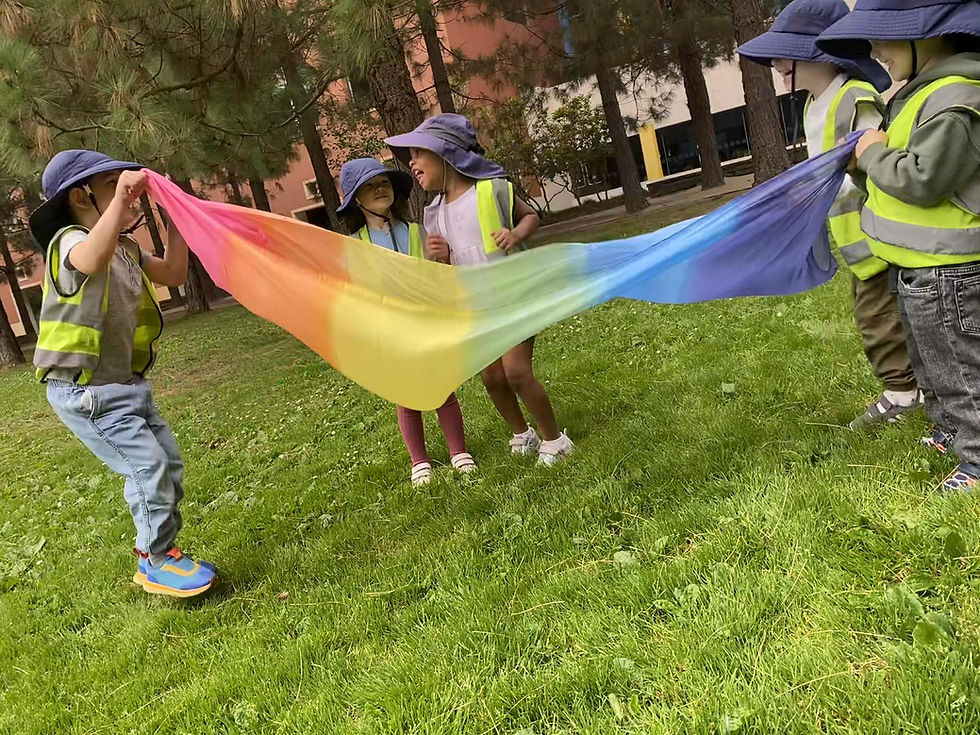
Many Reggio Emilia inspired preschools extend the third teacher concept outdoors. Fields and nature trails become classrooms where children observe insects and engage in physical activity. These spaces offer rich sensory experiences and opportunities for inquiry.

Art and Creativity Corners
Areas stocked with diverse art materials encourage children to express ideas and emotions. The environment supports experimentation with colors, textures, and forms, helping children develop fine motor skills and creativity.
Benefits of Embracing the Third Teacher
When preschools adopt the third teacher concept, children experience several advantages:
Enhanced engagement: Children are more motivated when they can explore and choose activities.
Improved social skills: Collaborative spaces encourage communication and teamwork.
Greater independence: Accessible environments help children develop self-confidence and problem-solving skills.
Deeper learning: Hands-on experiences foster critical thinking and creativity.
Stronger connections: Reflective spaces build relationships between children, teachers, and families.
Practical Tips for Educators and Parents
Whether you are designing a preschool classroom or creating a learning space at home, these tips can help you apply the third teacher concept:
Incorporate natural light and plants to create a welcoming atmosphere.
Arrange furniture to allow flexible use and easy movement.
Display children’s work to celebrate their efforts and learning.
Provide diverse materials that invite exploration and creativity.
Create cozy corners for quiet reflection and reading.
Encourage children to help organize and care for their environment.


Comments